Testing, Calibration and Preventive Maintenance
Students will begin by exploring fundamental concepts of metrology, measurement accuracy, and various testing methodologies applicable to complex systems. The course then transitions into hands-on techniques for calibrating instrumentation using recognized standards and procedures, emphasizing the importance of traceability and documentation. Learners will develop proficiency in interpreting technical specifications, utilizing specialized diagnostic tools, and systematically troubleshooting equipment anomalies. A significant portion of the course focuses on implementing comprehensive preventive maintenance schedules, including routine inspections, component replacement strategies, and performance verification to extend equipment lifespan and minimize downtime. Throughout the semester, emphasis will be placed on best practices, regulatory compliance, and maintaining detailed service records for all activities.
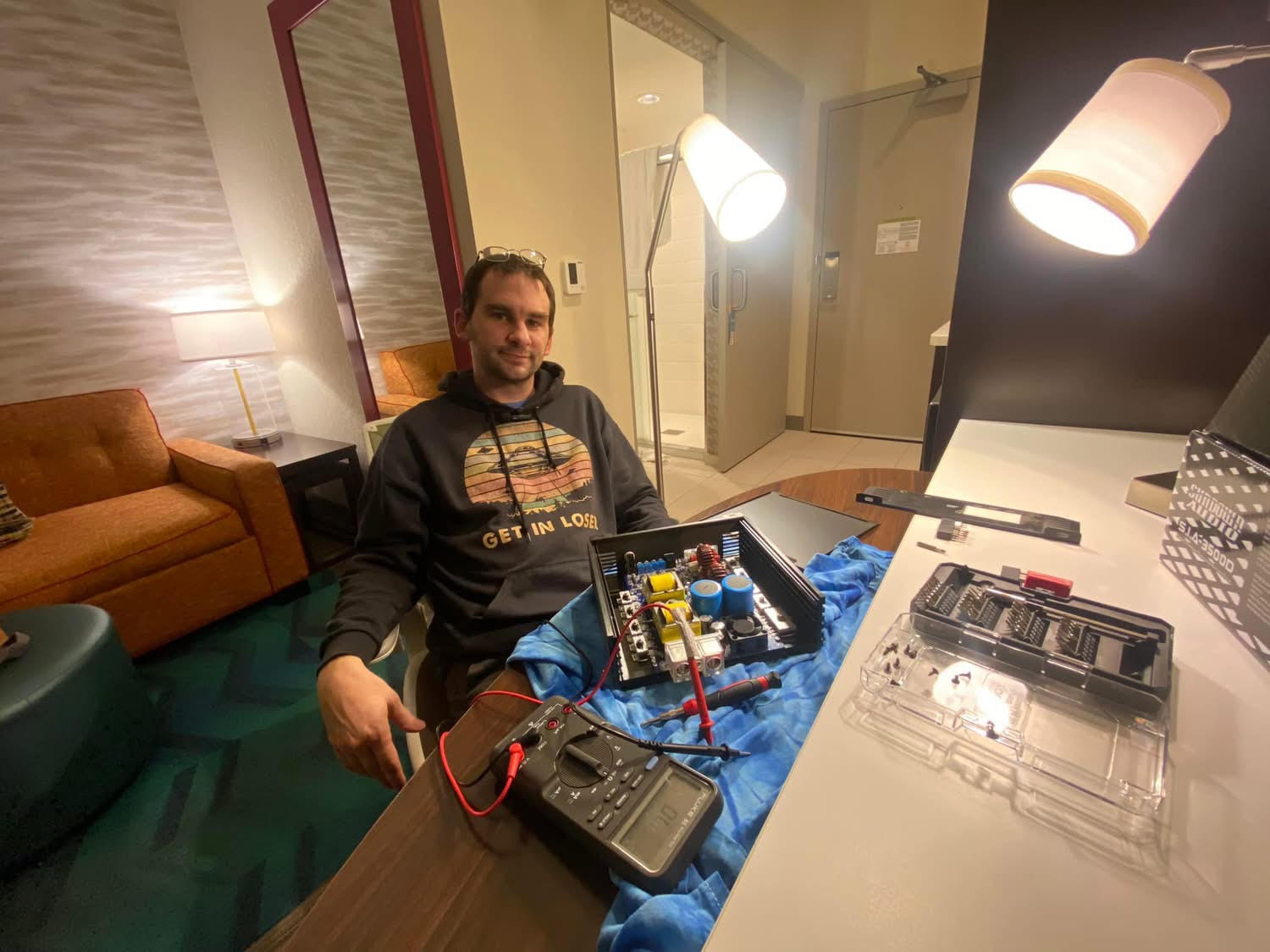 InstructorJacob Calhoun
Course outline
Lectures, virtual labs, and graded assignments — completed in your browser.
Syllabus
["Week 1: Introduction to Metrology and Measurement Principles","Week 2: Fundamentals of Test Equipment and Instrumentation","Week 3: Understanding Measurement Uncertainty and Error Analysis","Week 4: Basic Calibration Concepts and Traceability","Week 5: Calibration Procedures for Analog Instruments","Week 6: Calibration Procedures for Digital Systems","Week 7: Introduction to Preventive Maintenance (PM) Strategies","Week 8: Developing and Implementing PM Schedules","Week 9: Routine Inspections and Functional Checks","Week 10: Troubleshooting Methodologies and Diagnostic Techniques","Week 11: Component Replacement and Adjustment Procedures","Week 12: Performance Verification and Quality Assurance","Week 13: Documentation, Record Keeping, and Regulatory Compliance","Week 14: Advanced Topics in Predictive Maintenance and Asset Management"]